 Previous
What are altcoins: origins and characteristics
November 9, 2026 - Staff
A category defined by exclusion, bringing together projects that differ in issuer, economic function, and governance model.
Understanding what altcoins are means looking beyond Bitcoin, towards a group of projects built with very different goals, architectures, and governance models. The term is now part of everyday crypto market language, yet it describes a far more varied reality than the name suggests.
What are altcoins and where does the term come from
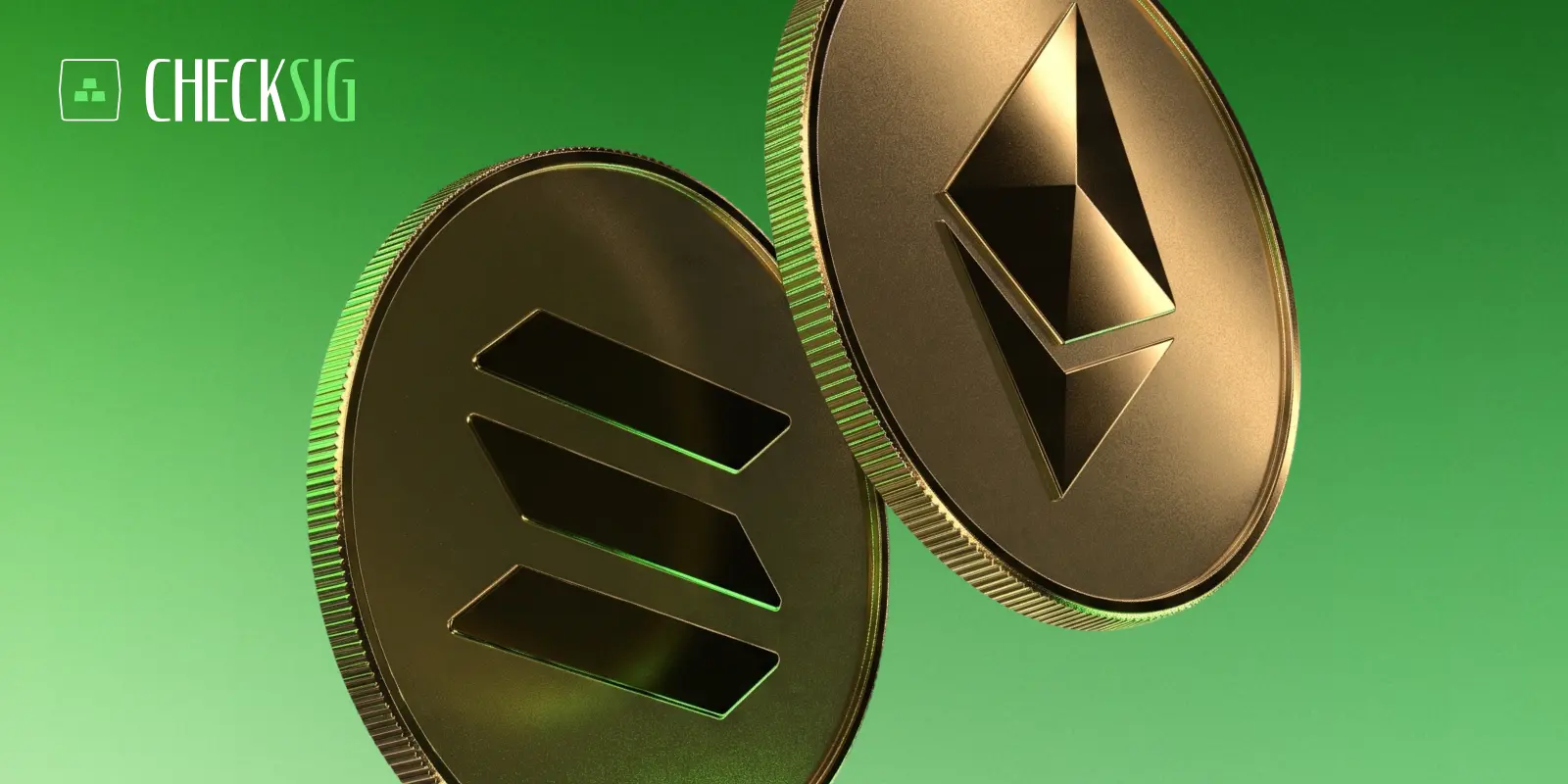
The term altcoin is short for “alternative coin” and refers to any crypto-asset other than Bitcoin, such as Ether and Solana. It began circulating in 2011 with the launch of Namecoin, one of the first projects derived from Bitcoin’s code.
Since then, the category has grown to include very different kinds of projects: smart contract platforms such as Ethereum and Solana, stablecoins pegged to an official currency, tokens tied to specific applications, and memecoins created with no clear technical purpose.
The only thing they have in common is what they are not. It is a definition by exclusion: useful as a market label, but of little analytical value.
What are altcoins and how do they differ from one another
The key issue is how each network originated and how it is governed. Bitcoin has no issuer: it was launched in 2009 with no pre-sale, its supply is fixed by the protocol, and no single party can change it unilaterally.
Many altcoins, on the other hand, are backed by a development team, a foundation or a company. A share of the tokens is often allocated to founders or early investors, and the protocol rules can change at the discretion of a small group. These are legitimate choices, but they change the nature of the asset.
This is why analysing any single altcoin starts from its fundamentals:
- who issued it and how it is distributed
- which consensus mechanism secures the network
- what economic function the token serves
- how widely control over the protocol is distributed
What are altcoins from a regulatory and risk perspective
European lawmakers also think in more precise categories. The MiCAR regulation does not use the term altcoin: it distinguishes between e-money tokens, asset-referenced tokens and a residual category of “other” crypto-assets, which covers most of the altcoins traded on the market.
For these, offering them to the public or admitting them to trading generally requires a white paper setting out the key information about the project and its risks. From an investment standpoint, this diversity translates into different risk profiles.
Ultimately, understanding what altcoins such as ETH and SOL are means moving past the “BTC and everything else” shortcut. The crypto market is an ecosystem of crypto-assets with different natures, and reading it accurately is what makes informed assessment possible.
Informational and educational content. This does not constitute financial, legal, or tax advice, nor is it a personalized recommendation. Crypto-assets are highly risky and volatile, and may result in the total or partial loss of capital. Evaluate the features, costs, and risks before making any decisions.


